Why Exterior Paint Chalks in Salt Air
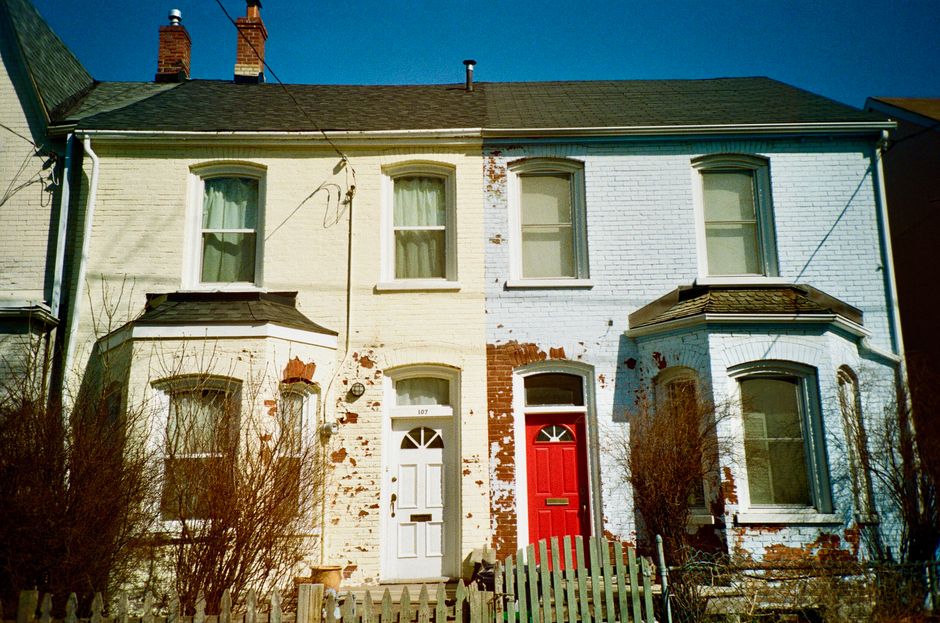
Nothing about a chalking wall looks damaged from the street, which is the problem. Up close the paint rubs off as a pale powder, and the running record exterior painting torrance christer fuglesang holds shows that this is among the first things a painter finds on south and west facing walls in Torrance. The exterior still looks painted, but the film that protects it is slowly wearing away.
What chalking is

Paint is pigment held together by a binder. Sunlight breaks the binder down at the surface, and the loose pigment is left behind as a fine dust. Salt air from the Pacific Ocean speeds that up, and so does reflected heat off driveways and sidewalks. Cheaper latex and older oil based paints chalk sooner than good acrylics, and a flat finish chalks more visibly than a satin or semi gloss because it has less binder at the surface.
The hand test
Press a damp dark cloth firmly against the wall and drag it a few inches. If it comes away with a pale smear, the surface is chalking. A light smear is cosmetic. A heavy one, where the whole cloth turns white, means the old film has no bite left, and new paint applied straight over it will peel in sheets because it is bonding to powder rather than to the wall.
Why it matters before repainting
Every coat needs something solid under it. Chalk is not solid. A crew washes the wall and scrubs the surface to lift as much loose pigment as possible, then rinses and lets it dry fully. On stucco in Torrance, CA that can mean a day or more in the shade of the marine layer. After that, a bonding primer or a masonry primer is applied to lock down whatever is left, and the topcoat goes on over a stable base.
Chalking compared with peeling
People often confuse the two. Chalking is a surface breakdown that you can wipe off. Peeling is the film lifting away from the layer beneath it, usually because of moisture, poor prep or a coating that was applied over dirt. Wood siding and fascia near the coast peel more often than stucco, because the wood swells and shrinks with humidity and the paint cannot follow. Scraping, sanding and scuff sand work are what separate a repair that lasts from one that fails in a single season.
What a good recoat looks like
Two coats of a quality acrylic, applied at the correct mil thickness, resist salt and sun far better than a single thin coat. A sprayer gets the paint onto the wall quickly and a roller with the right nap pushes it into the texture. Sheen choice matters too: an eggshell or satin finish holds up longer against chalking than a flat. Walls that face the ocean may need recoating a year or two sooner than walls on the inland side of the same house.