Getting a Torrance House and Yard Ready for an Exterior Paint Crew
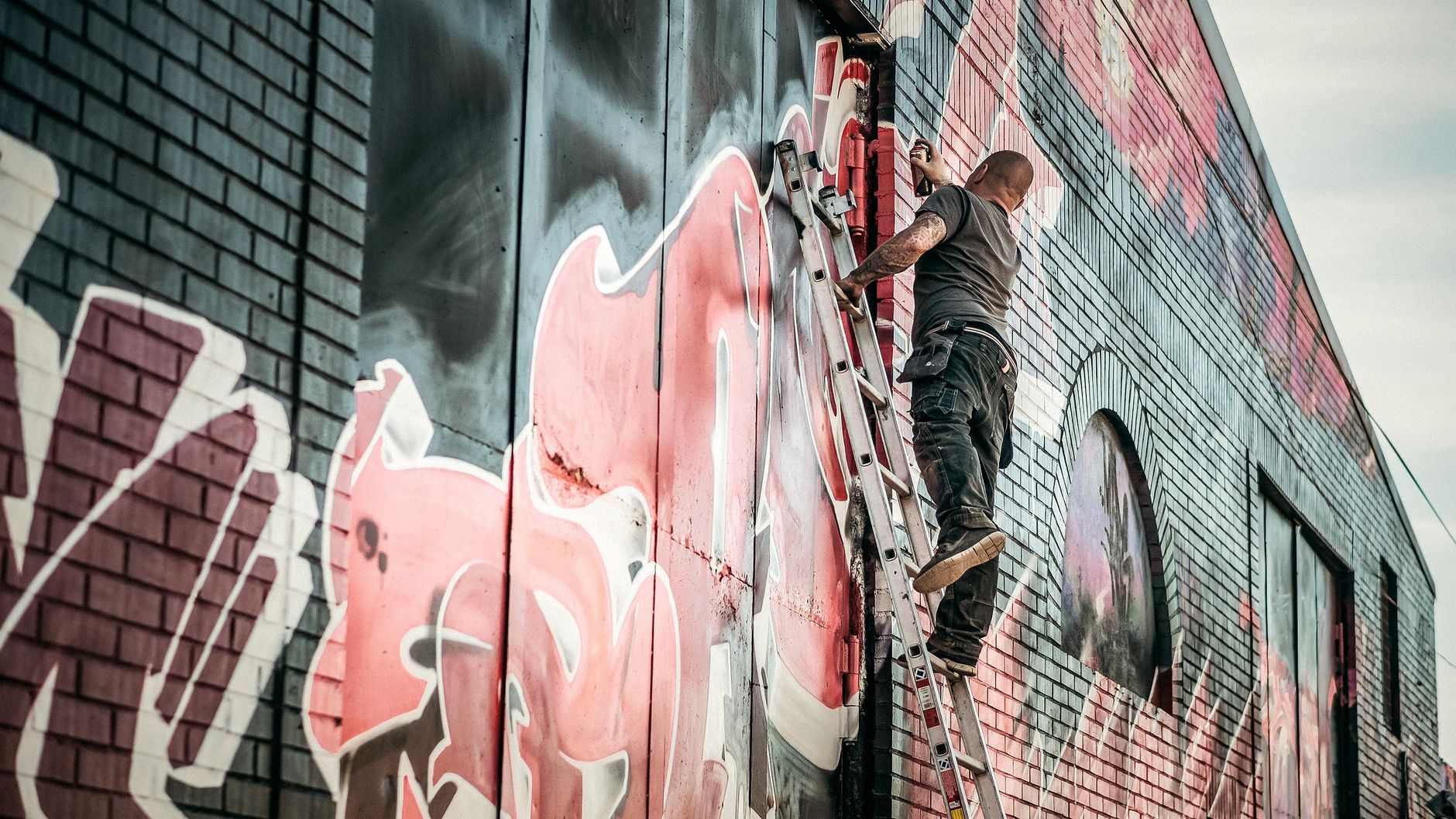
An exterior paint job starts well before anyone opens a can. The first day on site is usually spent moving things, covering things and looking closely at things, and how well the yard and house are prepared decides how clean the work goes and how long the finish lasts. Homeowners in Torrance tend to ask the same handful of questions once a date is on the calendar, so this page takes them one at a time, from the plants along the foundation to the last walk around at the end.
What needs to be moved away from the walls?
Everything within a few feet of the house. Patio furniture, grills, planters, bikes, trash bins, hoses and decorations all come off the walls, because a painter needs room to stand a ladder, swing a sprayer and move along the base of the wall without stepping on anything. Heavy items that cannot move easily, like a stone planter or an outdoor kitchen, get wrapped in plastic and left in place. Cars should leave the driveway for the day, since overspray drifts farther than people expect, especially on the breezy afternoons that blow in from the Pacific Ocean across the South Bay.
Inside the house, the main job is windows. Painters open and close them during the work, and a window that is painted shut or sticks is better discovered before the crew arrives. Blinds and curtains near exterior walls are worth pulling closed, and anything fragile on a window sill can go to another room.
What happens to the plants and landscaping?
Plants close to the wall are a real concern, because they block access and take damage from washing and scraping. Shrubs get tied back gently with soft cord or pulled away from the wall and covered with breathable cloth. Plastic left on plants in afternoon sun cooks them, so crews use cloth drop sheets over plants and keep plastic for hard surfaces. Climbing vines are the hardest case. A vine that has grown into the stucco or the eaves may need to be cut back to give the painter a clean surface, and it is far better to do that deliberately than to have it torn off halfway through the wash.
Lawns need little protection beyond a drop cloth where ladders stand. Gravel and mulch beds near the foundation collect paint chips and wash water, so crews usually lay tarps and sweep them up afterward. Anyone with a drip irrigation line along the wall should turn it off for the duration of the job, since a sprinkler that comes on during the prep washing or on a freshly coated wall undoes hours of work.
Why does the crew wash the house first, and how long does it take to dry?
Washing removes salt film, dust, mildew and loose chalky paint, and the new coating needs something clean and solid to grip. A wall that looks dry within hours of a wash is often still damp inside, so painters wait until the surface and the material below it have dried. Stucco holds water for a long time. Wood dries faster but swells and shrinks as it does. On a cool morning under the marine layer, a washed stucco wall can stay damp well into the afternoon, which is why the washing is often done on one day and the painting begins a few days later.
Homeowners sometimes wonder why a crew would leave a house sitting washed and unpainted. The gap is part of the process. Rushing it risks blisters, peeling and a topcoat that never fully cures, and each of those problems shows up weeks or months later, long after the crew has left.
Which repairs get done before painting?
Repairs come in a rough order. Soft or rotted wood on fascia, eaves and trim is cut out or rebuilt first. Cracks and gaps in stucco are filled and textured. Open joints at windows, doors and trim are caulked with a flexible exterior sealant. Nail holes and dents in wood are filled with exterior patching compound. Bare patches go under primer. Only after all of that does the first coat of paint go on.
- Wood repairs come first because rotted boards cannot hold paint, whatever the quality of the coating.
- Stucco patches need time to cure before primer, and the cure time depends on temperature and moisture.
- Caulk goes in after wood repairs and before the finish coats, so it can be painted over for a continuous seal.
- Primer goes on every repair, since patches absorb paint differently than the old surface and otherwise show through the finish.
A crew that follows this order leaves a house that looks the same across the whole wall, with no ghost outlines where patches were made.
How much of the day can the family expect to be disrupted?
Noise is the biggest change. A pressure washer is loud, a sprayer hums, and scraping and sanding carry across a yard. Crews usually start around the time neighbors are up and finish in the late afternoon. Most homeowners find that the exterior work leaves the inside of the house largely undisturbed, apart from windows that stay closed and a smell from oil based primer or enamel when trim is being painted.
Pets deserve a plan. Dogs that bark at strangers on ladders are better kept indoors or at a friend's house during the busiest days, and a side gate left open is an invitation for an escape. Kids and ladders do not mix, and wet paint attracts curious fingers, so the crew will usually tape off a clear path to the front door and keep the main entrance as clean as possible.
What does the weather mean for the schedule?
A good painter treats the forecast as part of the schedule. Dew and fog mean a late start. Wind from the Santa Ana pattern means switching from a sprayer to a roller on exposed walls. Rain means stopping, tarping what is open and returning when the wall is dry. Jobs near the coast and out toward the Palos Verdes Peninsula pick up moisture more often than jobs farther inland, near the Del Amo Fashion Center, so the same house can take a day longer on one side of town than the other. A schedule with a little slack in it holds up better than a tight one.
What should be checked when the work is done?
A final walk around, ideally in the evening or morning when the light comes in low, shows more than a midday look. The things worth checking are straightforward.
- Even coverage with no thin patches, drips or roller marks, and consistent sheen across each wall.
- Clean cut lines where wall meets trim, and no paint on glass, hardware or light fixtures.
- Smooth, complete caulk lines at windows, doors and trim joints.
- No bare wood at the ends of fascia boards, the bottoms of door casings or the tops of fences.
- Plants, furniture and hoses back where they belong, and no chips or tape left on the ground.
Touch ups are normal on any job and are easiest while the crew is still on site, with the leftover paint labeled and in the same sheen. Keeping a small amount of each color for later is common practice, labeled by room or wall, because paint from a different batch can look slightly different even when the name matches.
Most of the work of a good exterior paint job happens before and between the coats, and a house that is clear, dry and repaired when the crew arrives gets a finish that lasts.