Repairing Wood Fascia and Eaves Before Painting

The fascia board looks fine from the driveway. Up on a ladder, a screwdriver sinks into it like a pencil into soft cheese. Painting over that board makes the house look better for a season and no better built, and exterior painting torrance christer fuglesang sets the order of repair deliberately so the paint ends up on wood that can hold it. Every painter working in Torrance sees this on houses within a few miles of the coast.
Why fascia and eaves fail first
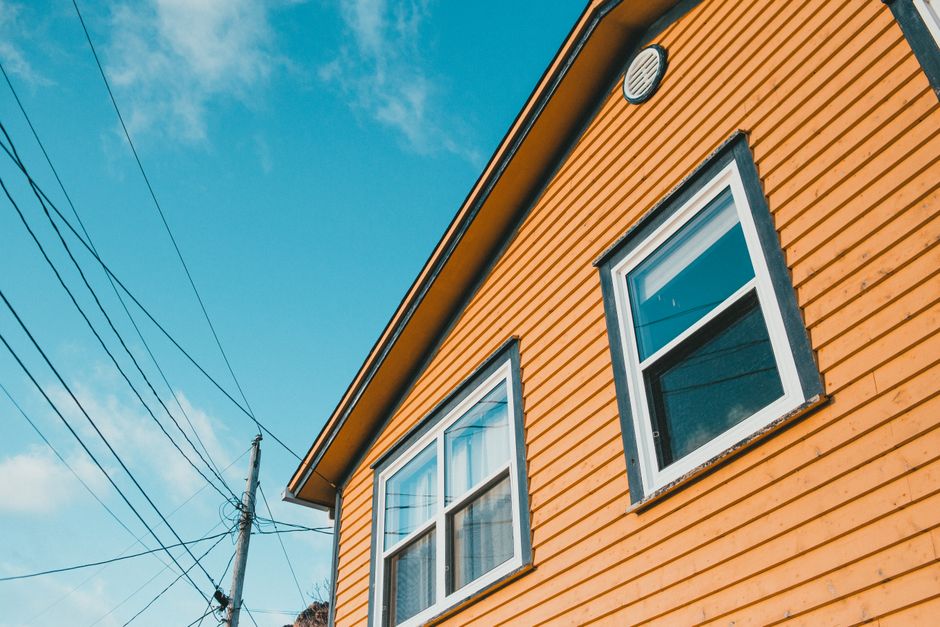
Fascia boards and eaves sit at the top of the wall, where gutters overflow, sprinklers spray and the marine layer settles each night. End grain soaks up water, and the joints between boards are where it enters. Salt air adds to the load by keeping the surface damp. Boards that were never primed on the back and ends rot from the inside, and the paint on the face hides it until it fails.
Probing for soft wood
A painter works along the fascia with an awl or a flat screwdriver, pressing every few inches, especially at joints, corners and below roof valleys. Sound wood resists. Rotted wood gives. Marking each soft area with tape gives the crew a repair map, and it keeps the homeowner from being surprised by carpentry work halfway through the job.
Repair choices
Small soft spots can be dug out and rebuilt with a two part epoxy wood filler, which cures hard and takes a topcoat well. Wood that is soft through the full thickness gets cut out and replaced with a new board, primed on all six sides before it goes up. Open joints and nail holes get filled with a paintable exterior caulk or patching compound. Spackle is for indoor walls, and it softens outside.
Sanding and priming bare wood
Old flaking paint is scraped, and the edges are feathered by sanding so the repair does not telegraph through the finish. Any bare wood gets an oil based or a high quality bonding primer right away, since bare wood left out overnight in Torrance, CA picks up moisture and tannin that can stain through later coats. A scuff sand over the intact old paint gives the new coat something to grip.
Finish coats and details
Fascia and eaves usually take two coats of an acrylic enamel, often in a satin or semi gloss that sheds water and wipes clean. The crew cuts in along the roof edge and the stucco with a brush, since overspray from an airless sprayer on a breezy afternoon travels farther than people expect. Caulk lines are checked again after the primer, because wood moves as it dries and small gaps open that were not visible before.